The Real Cost of Owning a Recreation Property: Budgeting Beyond the Purchase Price
The Real Cost of Owning a Recreation Property: Budgeting Beyond the Purchase Price
The purchase price is only one part of owning a recreation property. This guide explains the predictable and unexpected costs of ownership, helping buyers budget confidently for everything from condominium fees and insurance to maintenance, reserve funds and lifestyle expenses.
Buying a recreation property is exciting. Most buyers spend months searching for the right location, comparing listings, arranging financing and dreaming about the memories they’ll make once they own it.
What many people don’t think about is what happens after possession day.
The good news is that most ownership costs aren’t surprises at all. They’re predictable expenses that can easily be built into your budget. By understanding both the expected and unexpected costs of ownership, you’ll be better prepared to enjoy your recreation property for years to come.
The goal isn’t to discourage you from buying. It’s to help you budget realistically so your lake property remains a source of enjoyment rather than financial stress.
Predictable Costs
These are the expenses you can usually plan for well in advance.
Condominium Fees
If you’re purchasing in a bare land condominium, monthly or annual condominium fees are part of the cost of ownership.
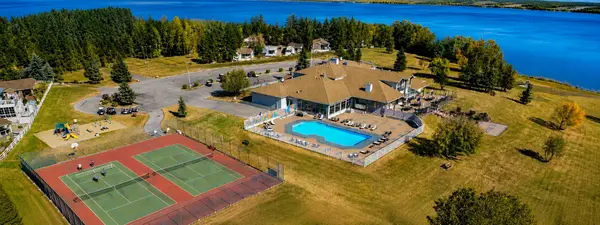
These fees often help cover shared infrastructure and amenities such as roads, water and sewer systems, common area maintenance, security gates, recreational facilities and reserve fund contributions.
When comparing properties, don’t focus only on the dollar amount of the fees. Take the time to understand what those fees include. A community with higher fees may actually provide better long-term value if more services are covered or the reserve fund is well funded.
Property Taxes
Property taxes vary depending on the municipality and the assessed value of your property.
Although they usually don’t fluctuate dramatically from year to year, they should always be included as part of your annual ownership budget.
Insurance
Insurance for a recreation property may differ from the policy you carry on your primary residence.
Depending on the property and community, you may wish to consider coverage for:
- Building and contents
- Personal liability
- Sewer backup
- Water damage
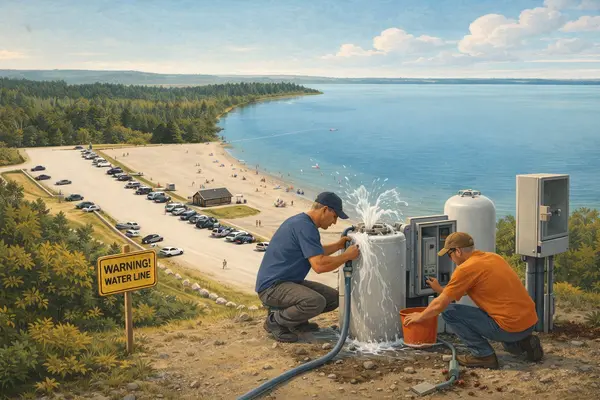
- Water hydrant coverage, particularly in older resorts where a leak beneath your hydrant could become an expensive repair
A conversation with an insurance broker familiar with recreation properties can help ensure you have the right coverage for your situation.
Utilities
Utility costs will vary depending on the type of property and how often you use it.
These may include:
- Electricity
- Natural gas or propane
- Internet
- Water and sewer, where applicable
Four-season homes that are occupied year-round often have different utility costs than seasonal cottages or RV lots.
Seasonal Maintenance
Every property requires ongoing care.
Depending on your property, your annual maintenance budget might include:
- Lawn care
- Weed control
- Snow removal
- Deck staining or sealing
- Furnace or air conditioner servicing
- Tree trimming
- Winterizing or de-winterizing services if you hire someone to perform them
Like your home in the city, regular maintenance protects your investment and often prevents larger repair bills later.
Lifestyle Expenses
One of the best parts of owning a recreation property is enjoying everything your community has to offer.
Many owners choose to budget for things like:
- Golf memberships
- Golf cart maintenance or battery replacement
- Boat fuel and maintenance
- Kayaks or paddleboards
- Outdoor furniture
- Fire pits and patio upgrades
- Entertaining family and friends
These aren’t necessities, but they’re often part of the lifestyle people dream about when they buy at the lake.
Unexpected Costs
Even well-maintained properties occasionally surprise their owners.
Planning for the unexpected doesn’t mean expecting the worst. It simply means recognizing that every home eventually requires repairs or replacement of aging components.
Examples might include:
- Appliance replacement
- Roof repairs
- Deck repairs
- Hot water tank replacement
- Furnace or air conditioning repairs
- Plumbing issues
- Water hydrant repairs
- Golf cart repairs
- Special assessments approved by the condominium corporation
Many homeowners find it helpful to maintain a contingency fund specifically for unexpected repairs. Even setting aside a small amount each month can provide peace of mind when something eventually needs attention.
A Word About Older Communities
Older recreation communities often offer mature landscaping, established neighbourhoods and a wonderful sense of character.
They may also have aging infrastructure that requires ongoing investment.
That doesn’t make them a poor choice. In fact, many are exceptionally well managed. It simply reinforces the importance of reviewing condominium documents, reserve fund studies and recent board minutes so you understand both the strengths of the community and any significant projects that may be planned.
The Best Investment Isn’t Measured in Dollars
It’s easy to focus on the financial side of ownership because those are the numbers we can measure.
The memories are harder to quantify.
Morning coffee on the deck.
Teaching grandchildren to fish.
Meeting neighbours who become lifelong friends.
Watching sunsets after a round of golf.
Celebrating birthdays, anniversaries and long weekends surrounded by the people you care about most.
Those are the reasons people buy recreation properties.
When you budget realistically from the beginning, you’re giving yourself the freedom to enjoy those moments without constantly worrying about unexpected expenses.
Final Thoughts
Every recreation property has costs beyond the purchase price. Fortunately, most of them are predictable, manageable and easy to plan for.
Understanding those costs before you buy allows you to make informed decisions, budget with confidence and enjoy everything your community has to offer.
The goal isn’t simply to own a recreation property. It’s to enjoy it for many years to come.
Frequently Asked Questions
How much should I budget each year beyond my mortgage?
Every property is different, but it’s wise to budget for condominium fees, property taxes, insurance, utilities, seasonal maintenance and a contingency fund for unexpected repairs.
Are higher condominium fees always a bad thing?
Not necessarily. Higher fees may include additional services, stronger reserve fund contributions, more amenities or better-maintained amenities. Always compare what the fees cover, not just the monthly amount.
Should I keep a maintenance reserve?
Yes. Setting aside money each month for future repairs can help reduce financial stress when appliances, decks or other components eventually need replacement.
Does an older resort cost more to own?
Not always. Older communities may require more infrastructure investment over time, but many are extremely well maintained. Reviewing the condominium documents can help you understand what major projects have been completed and what may be planned.
What’s the biggest unexpected expense recreation property owners face?
It varies from property to property. Common examples include appliance replacement, water or plumbing issues, deck repairs and special assessments for shared infrastructure improvements.
Related Reading
- What Every Buyer Should Know About Condo Documents Before Buying a Recreation Property
- Your First Year at the Lake: What Nobody Tells You About Resort Living
- Understanding Reserve Funds, Special Assessments and Capital Projects: A Buyer’s Guide (Coming Soon)
- Gleniffer, Gull or Sylvan? Which Lake Fits Your Lifestyle? (Coming Soon)
Categories
Recent Posts